

The Role of Decor in Event Planning in Estonia
Event decoration plays a crucial role in creating memorable experiences across Estonia’s diverse celebration landscape. From intimate family gatherings in Tallinn apartments to grand corporate events in Tartu’s historic venues, thoughtful decor transforms ordinary spaces into extraordinary settings that reflect Estonian culture while meeting modern expectations.
Understanding Estonian Event Decoration Traditions
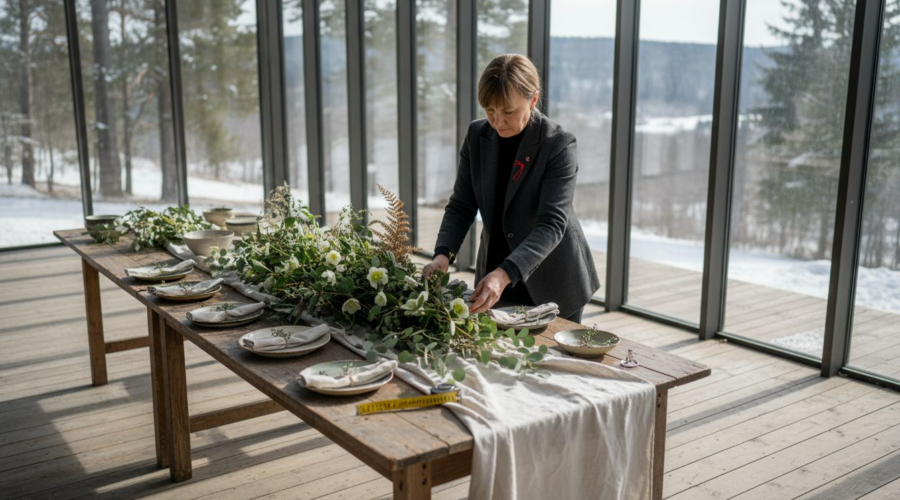
Estonian event decoration draws heavily from the country’s rich cultural heritage, incorporating natural elements that reflect the nation’s deep connection to forests, lakes, and seasonal changes. Traditional Estonian celebrations often feature juniper branches, birch elements, and locally sourced flowers that create authentic atmospheres while honoring ancestral customs.
Modern Estonian event planners skillfully blend these traditional elements with contemporary design principles. This fusion creates unique decorative schemes that feel both rooted in local culture and relevant to today’s celebration styles. Whether planning a midsummer celebration or a winter corporate gathering, successful decoration acknowledges Estonia’s cultural identity while serving practical event needs.
Seasonal Decoration Considerations in Estonia
Estonia’s distinct seasons significantly influence decoration choices and availability. Summer events benefit from abundant local flowers, fresh greenery, and extended daylight hours that enhance outdoor decoration possibilities. Popular summer decoration elements include wildflower arrangements, natural wood accents, and light fabrics that complement Estonia’s bright summer atmosphere.
Winter celebrations require different approaches, focusing on warm lighting, rich textures, and indoor comfort. Estonian winter events often incorporate candles, evergreen arrangements, and cozy textiles that create inviting atmospheres during the country’s darker months. Smart planners prepare for seasonal limitations by sourcing materials early and designing flexible decoration schemes.
Spring and autumn offer unique opportunities for decoration creativity, with changing foliage and transitional weather patterns inspiring dynamic design choices. These shoulder seasons often provide the most cost-effective decoration options while offering distinctive aesthetic possibilities unavailable during peak summer or winter periods.
Venue-Specific Decoration Strategies
Different venue types across Estonia require tailored decoration approaches. Historic buildings in Tallinn’s Old Town demand respectful decoration that enhances rather than competes with existing architectural features. These venues often benefit from minimal, elegant decoration that highlights their inherent character while meeting event requirements.
Modern conference centers and hotels offer blank canvas opportunities for creative decoration expression. These spaces allow for bold design choices and comprehensive decoration schemes that completely transform the environment. Event planners can implement dramatic lighting changes, extensive floral arrangements, and custom installations that create entirely new atmospheres.
Outdoor venues present unique decoration challenges and opportunities. Estonian parks, gardens, and waterfront locations require weather-resistant decoration materials and backup plans for changing conditions. However, these natural settings often need minimal enhancement, allowing decoration to complement rather than dominate the existing landscape beauty.
Private residences hosting events need decoration that respects the home environment while creating celebration atmospheres. Successful residential event decoration enhances existing decor rather than overwhelming personal spaces, creating seamless integration between everyday and celebration aesthetics.
Budget-Conscious Decoration Planning
Effective event decoration doesn’t require unlimited budgets. Estonian event planners often achieve impressive results through strategic material choices, creative reuse, and focus on high-impact elements. Prioritizing key visual areas while using simpler decoration in secondary spaces maximizes budget effectiveness without sacrificing overall event atmosphere.
Local sourcing provides both cost savings and authentic Estonian character. Partnering with local florists, craftspeople, and suppliers reduces transportation costs while supporting Estonian businesses. Many local vendors offer seasonal packages and bulk pricing that make professional decoration more accessible for various budget levels.
DIY decoration elements can significantly reduce costs while adding personal touches. Simple projects like creating centerpieces, arranging flowers, or crafting custom signage allow hosts to invest decoration budgets in areas requiring professional expertise while handling manageable tasks independently.
Professional Decoration Services in Estonia
Estonia’s event decoration industry includes specialists ranging from full-service design companies to individual florists and craftspeople. Professional decorators bring expertise in space planning, color coordination, and logistical execution that ensures decoration enhances rather than complicates event management.
When selecting decoration professionals, consider their experience with similar events, understanding of Estonian venues, and ability to work within specified budgets and timelines. Successful decoration partnerships involve clear communication about expectations, flexibility for last-minute adjustments, and shared vision for the event’s overall atmosphere.
Many Estonian decoration professionals offer consultation services that help hosts develop realistic decoration plans within their budgets. These consultations can prevent costly mistakes while ensuring decoration choices support rather than conflict with other event elements like catering, entertainment, and guest flow.
Sustainable Decoration Practices
Environmental consciousness increasingly influences Estonian event decoration choices. Sustainable practices include using locally sourced materials, choosing reusable decoration elements, and planning for post-event material disposal or repurposing. These approaches align with Estonia’s environmental values while often providing cost benefits.
Rental decoration services offer sustainable alternatives to purchasing single-use items. Many Estonian companies provide high-quality rental linens, lighting, furniture, and decorative accessories that reduce waste while offering professional presentation standards.
For comprehensive event planning resources and venue options across Estonia, visit our venue listings to explore spaces that complement your decoration vision.
How far in advance should I plan event decoration in Estonia?
Plan decoration at least 4-6 weeks before your event, especially during popular seasons like summer and December. This timeline allows for proper vendor selection, material sourcing, and backup planning for weather-dependent elements. Major events or peak season celebrations may require even earlier planning to secure preferred suppliers and materials.
What decoration elements work best for Estonian winter events?
Winter events benefit from warm lighting, rich textures, and cozy elements that counteract cold, dark conditions. Consider candles, string lights, evergreen arrangements, warm-colored linens, and indoor plants. Focus on creating intimate, welcoming atmospheres that encourage guests to gather and celebrate despite challenging weather conditions.
How can I incorporate Estonian cultural elements into my event decoration?
Include natural materials like juniper, birch, and local flowers in your decoration scheme. Use traditional Estonian color palettes featuring blues, whites, and natural wood tones. Consider incorporating folk art patterns, traditional textiles, or references to Estonian festivals and customs that align with your event’s purpose and season.
What’s the typical cost range for professional event decoration in Estonia?
Decoration costs vary significantly based on event size, venue requirements, and design complexity. Simple decoration might represent 5-10% of your total event budget, while elaborate schemes could reach 15-20%. Request detailed quotes from multiple providers and discuss budget-friendly alternatives that maintain your desired aesthetic impact.
Can I combine DIY decoration with professional services effectively?
Yes, hybrid approaches often work well when planned carefully. Handle simple tasks like basic centerpieces or signage yourself while hiring professionals for complex elements like lighting, large installations, or technical setup. Communicate clearly with professional vendors about which elements you’re handling independently to avoid duplication or coordination issues.

