



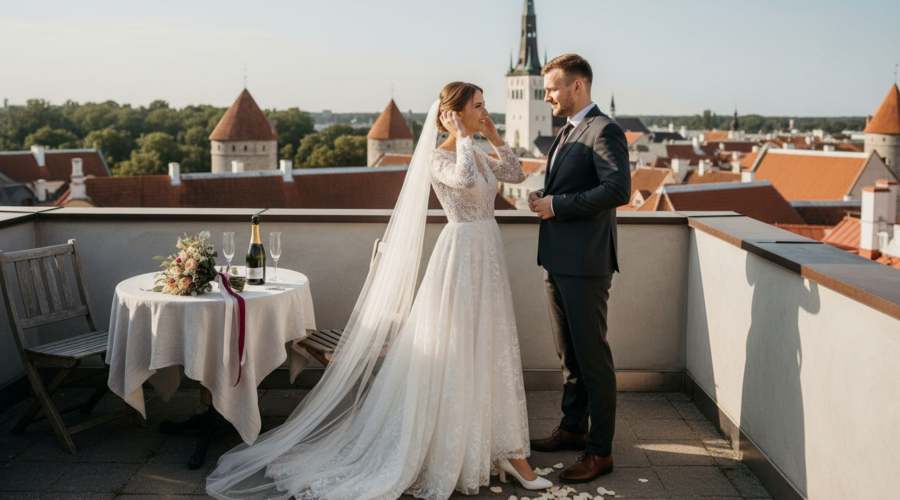
How Much Does a Wedding Cost in Estonia in 2026: Complete Budget Guide
In 2026, catering accounts for up to 40% of the entire wedding budget in Estonia, surpassing venue and entertainment costs. Without detailed planning, couples face cost overruns of 20-30% from their initial plan. Understanding the cost structure helps avoid financial surprises and create your dream celebration within a reasonable budget.
Key Findings
| Aspect | Details |
|---|---|
| Cost Structure | Catering 35-40%, venue 20-25%, photo/video 10-15%, other services up to 30% of budget |
| Regional Difference | Tallinn 20-30% more expensive than rural areas, average wedding €15,000-25,000 |
| Common Mistakes | Ignoring hidden costs adds 10-15% to final amount |
| 2026 Trends | Personalization and interactive elements increase entertainment budget by 15-20% |
| Optimization | Package deals save up to 25%, 15% budget reserve is mandatory |
Main Wedding Expense Categories in Estonia 2026
Every wedding requires careful allocation of funds between key categories. Understanding the cost structure allows you to build a realistic plan and avoid unpleasant surprises.
Catering remains the largest expense category. On average, banquet costs comprise 35-40% of the total budget. Per guest costs range from €40 to €120 depending on menu, drinks, and service level. When planning, consider not only food but also tableware rental, staff service, and cleanup.
Venue rental takes second place in expense magnitude. Costs vary from €800 for a modest hall to €5,000 for a luxury manor. Influencing factors include location, capacity, seasonality, and included services. Some venues offer packages with decor and equipment, simplifying planning.
Photo and video services cost €1,500-4,000. Professional pulmafotograaf charge from €100 per hour, videographers slightly more. A full day of shooting with two specialists and post-processing costs around €2,500. This is an investment in memories that will last forever.
An MC or host charges €500-1,500 per evening. Experienced professionals create atmosphere and manage the program, relieving newlyweds of organizational concerns. Musicians, DJs, and performers add another €800-2,000 to the entertainment budget.
Decor and floristry require €1,000-3,500. Bridal bouquet, table arrangements, ceremony arch, and hall decoration add up to a significant sum. Choosing wedding services through professional platforms helps compare offers and find optimal price-quality ratio.
Professional tip: When calculating catering, budget 15% extra for additional drinks, snacks, and unexpected guest requests. This protects against shortages and stress on your wedding day.
Budget Distribution by Categories
- Catering and drinks: 35-40%
- Venue and rental: 20-25%
- Photography and video: 10-15%
- Host and entertainment: 8-12%
- Decor and flowers: 7-10%
- Other expenses: 10-15%
Regional Differences in Wedding Service Costs
Regional choice significantly affects the final wedding cost. The difference between the capital and provinces reaches 30%, making location a strategic decision when planning your budget.
Tallinn offers maximum variety but also the highest prices. Rental of prestigious venues in the capital starts from €2,500, catering is 25% more expensive compared to regions. Advantages include wide choice of contractors, developed infrastructure, and convenience for city guests.
Tartu and Pärnu represent the middle price segment. Here you can find excellent venues for €1,500-3,000, and photographer and decorator services are 15-20% cheaper. These cities combine service quality with more affordable rates, attracting couples seeking balance.
Rural areas and small towns offer substantial savings. Manor or farm rental costs €800-1,500, local catering companies work at reduced rates. Disadvantages include limited contractor choice and the need to organize guest transportation.
Price differences stem from demand and competition. In the capital, high rent and operational costs of contractors are built into service prices. Regional providers work with lower overhead costs, allowing them to reduce prices without quality loss.
Professional tip: Compare offers from at least three contractors in different regions. Sometimes renting a venue outside the city plus guest transfer costs less than a wedding in central Tallinn.
Average Price Comparison by Region
| Service | Tallinn | Tartu/Pärnu | Rural Areas |
|---|---|---|---|
| Venue rental | €2,500-5,000 | €1,500-3,000 | €800-1,500 |
| Catering per person | €80-120 | €60-90 | €40-70 |
| Photographer (day) | €1,800-3,000 | €1,200-2,000 | €800-1,500 |
Common Misconceptions and Wedding Budget Mistakes
Many couples fall into financial traps due to misconceptions about wedding expenses. Understanding reality helps build correct plans and avoid stress.
The myth of direct price dependence on guest count is misleading. Yes, catering scales, but fixed expenses remain unchanged. Venue, decor, music, and photographer cost the same for 50 and 100 guests. When increasing the guest list, total budget grows, but cost per person decreases due to economies of scale.
Hidden costs appear at every step. Decor delivery, contractor overtime hours, additional lighting, guest parking fees add up to 10-15% of unplanned expenses. Venue selection mistakes worsen the problem when important details aren’t discussed during booking.
Choosing contractors based on price alone leads to disappointment. A cheap photographer can ruin memories with poor quality shots, an inexperienced host creates awkward atmosphere. Balance between cost and professionalism is critically important. Reviews, portfolios, and personal meetings help assess real value.
Lack of financial reserve jeopardizes the entire plan. On wedding day, unexpected needs always arise: additional drinks, emergency outfit repairs, staff overtime. Without a 10-15% budget buffer, couples are forced to compromise or go into debt.
How to Prevent Common Mistakes
- Create detailed estimates with all minor expenses
- Set aside 15% of total budget for unexpected costs
- Check contractor reputation through reviews and recommendations
- Document all agreements in written contracts
- Regularly update expense spreadsheet during planning
2026 Modern Trends and Their Budget Impact
The wedding industry is rapidly changing, reflecting new values and couple preferences. 2026 trends significantly influence budget distribution and planning priorities.
Personalization has reached new levels. Couples reject template solutions in favor of unique details reflecting their story. Custom decor, author invitations, personalized menus, and specially created cocktails require additional investment. This category increases decoration budget by 20-25%.
Interactive entertainment displaces traditional programs. Photo booths with instant printing, live artists creating guest portraits, workshops, and game zones transform weddings into unforgettable experiences. The role of decor has expanded to creating comprehensive impressions, not just beautiful backgrounds.
Sustainability becomes a priority for many couples. Choosing local seasonal products, refusing single-use plastic, renting decor instead of buying, digital invitations change expense structure. Sometimes it’s more expensive, sometimes more economical, but always requires additional time finding suitable solutions.
Technology penetrates all wedding aspects. Professional video streaming for remote guests, drones for aerial filming, projection mapping on venue buildings, interactive screens with couple photos add €1,500-3,000 to budget. The younger generation is ready to invest in celebration technology.
Professional tip: Don’t chase all trends at once. Choose 2-3 elements truly important to you and invest in them quality. Keep the rest classic — this balances the budget.
Trend Impact on Budget
- Personalization and customization: +20-25% to decor costs
- Interactive entertainment: +€1,000-2,500 to entertainment budget
- Eco-friendly solutions: variable, depends on choices
- Technology and digital: +€1,500-3,000 for special effects and streaming
Practical Wedding Budget Optimization Tips
Smart expense management allows creating a luxurious wedding without ruinous spending. Strategic approach to service and contractor selection opens opportunities for substantial savings.
- Look for package deals from venues and organizers. Comprehensive services including rental, catering, and basic decor cost 20-25% less than ordering everything separately. Many manors offer ready solutions with transparent pricing.
- Plan weddings in off-season or weekdays. From November to April, excluding New Year holidays, contractors reduce rates by 15-30%. Friday or Sunday are also cheaper than popular Saturday.
- Compare offers from minimum five providers in each category. Price spread with equal quality reaches 40%. Choosing wedding services through specialized platforms simplifies comparison and saves time.
- Delegate tasks to friends and family reasonably. Professional coordination is important, but some elements are quite doable yourself. Assembling invitations, placing seating cards, packaging favors save €500-800.
- Reserve 15% of budget for unexpected expenses. This buffer protects from stress and allows flexible response to changes. If reserve isn’t needed, spend it on honeymoon.
- Carefully read contracts and clarify everything included. Hidden charges for setup, dismantling, cleanup, overtime hours surface in bills. Transparent conditions from the start prevent conflicts and overspending.
Professional tip: Create a unified spreadsheet with all contractors, payment dates, and payment statuses. Update it weekly. Visual budget control helps stay within plan and see where you can still optimize.
Conclusion: Building a Realistic and Manageable Budget
Wedding budget planning requires balance between dreams and financial capabilities. Understanding expense structure, regional differences, and common mistakes lays foundation for successful celebration organization.
Key expense categories include catering, venue, photography, entertainment, and decor. Each requires thorough offer analysis and option comparison. A 15% budget reserve protects against unexpected expenses and reduces stress.
Modern trends influence priorities but shouldn’t dictate the entire budget. Choose what’s truly important to you. Use professional platforms for finding contractors, read reviews, meet personally before making decisions.
Proper budgeting and early planning create the foundation for an unforgettable celebration without financial worries. Start planning early, be realistic in expectations, and remember that the most important thing is celebrating your love with people who matter most.
How much does wedding venue rental cost in different Estonian regions?
Wedding venue costs vary significantly by location. In Tallinn, expect €2,500-5,000 for premium venues, while Tartu and Pärnu offer quality options for €1,500-3,000. Rural areas provide the best value at €800-1,500, though with limited contractor availability. Factor in guest convenience and transportation when comparing regional options.
How to avoid unexpected expenses when booking catering?
Read contracts carefully and clarify all inclusions upfront. Ask about setup fees, service charges, overtime rates, and minimum guest requirements. Request detailed breakdowns including tableware, linens, and cleanup. Always budget 15% extra for additional drinks and last-minute guest additions. Get everything in writing before signing.
Does guest count affect wedding costs proportionally?
Not entirely. While catering scales directly with guest numbers, many costs remain fixed regardless of attendance. Venue rental, photography, music, and basic decor cost the same for 50 or 100 guests. Larger weddings often achieve better per-person value due to economies of scale, especially for venues offering package deals.
Is it worth saving money on photographer and videographer?
Photography and videography preserve your wedding memories forever, making this a poor area for major cuts. However, you can optimize by choosing packages wisely, limiting hours, or skipping elaborate albums. Compare portfolios carefully — sometimes mid-range professionals offer better value than premium options. Consider this a long-term investment in memories.
What percentage of budget should be reserved for unexpected costs?
Reserve 15% of your total budget for unexpected expenses. Wedding days always bring surprises: additional drinks, emergency repairs, vendor overtime, or last-minute additions. This buffer prevents stress and debt while allowing flexibility. If unused, redirect these funds toward your honeymoon or future savings.
