



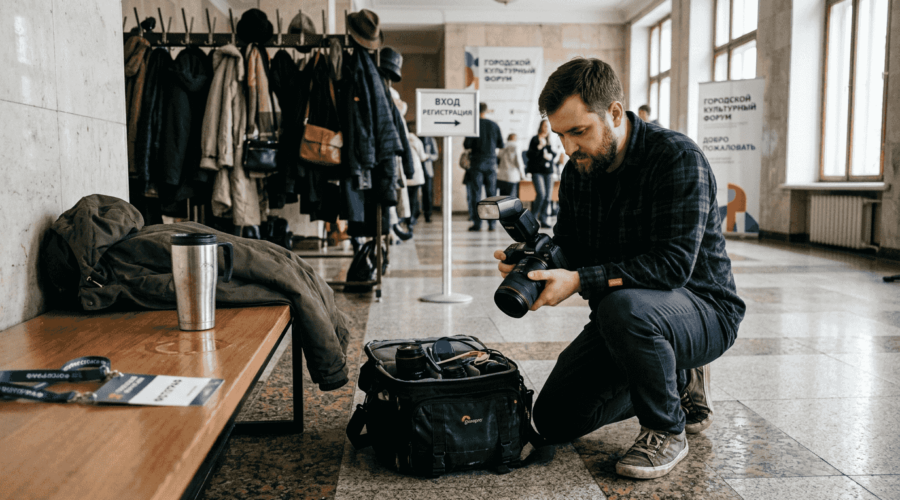
Photographer for an hour or all day: what are you paying for?
Many people think that the price of a photographer is a payment for time with the camera. In fact, you buy a set of services: consultations before the event, script selection, technical preparation, the shooting itself and many hours of post-processing. About 60% of the cost is before and after the shoot. Understanding the price structure helps you choose the best format and reduce the stress of organizing an event.
Table of Contents
- Key findings
- Introduction: why it is important to understand a photographer's price structure
- What you pay for when you book a photographer for an hour
- What you pay for when booking a photographer for the whole day
- Dispelling myths and expectations about the price of a photographer
- Practical guide: when it's better to choose an hour-long shoot and when it's better to shoot all day
- The psychology of choice and how to reduce stress when choosing a photographer
- Conclusion: how to make the best choice for your event
- How minupidu.ee helps you choose the best photographer for your event
- What affects the cost of a photographer besides the time of the shoot
- When to choose an hourly shoot over an all-day shoot
- How to reduce stress when choosing a photographer for an event
Key findings
| Conclusion | Details |
|---|---|
| Hourly filming is more expensive in terms of conversion | Fixed costs for preparation and equipment make the hour more expensive, but suitable for short events |
| Shooting all day gives you full coverage | 8 to 10 hours of work with meticulous post-processing and album creation |
| Most of the price is invisible work | Preparation, planning, retouching and color correction take more time than the shoot itself |
| The choice depends on the scale of the event | Corporate events and small parties - hourly shooting, weddings and large celebrations - full day shooting |
| Understanding services reduces stress | Clear expectations and an agreed scenario improve the quality of the photo report |
Introduction: why it is important to understand a photographer's price structure
The price of a photographer's services is formed of three main components. The first is preparation: consultations with the client, studying the location, planning the shooting scenario, selecting angles and time. The second is the shooting time itself, when the photographer works with the camera at the event. Third - post-processing: selection of successful shots, color correction, retouching, album compilation.
Understanding these steps is critical. Many people mistakenly believe that they are only paying for hours with the camera. In reality, preparation and processing take much more time than the shoot itself. A professional photographer conducts a preliminary meeting, discusses wishes, studies the site and makes a plan.
Post-processing includes light and color correction on each photo, removing defects, and creating a cohesive visual style. This stage can take from 20 to 40 hours of work after the event. High-quality retouching requires professional skills and expensive software.
The choice between an hourly or day shoot depends on your goals. A small corporate event for two hours doesn't require a full day. A wedding with morning gatherings, ceremony and banquet needs full coverage. Understanding the cost composition of the service helps you make an informed choice and avoid disappointment.
The main components of the price:
- Preparation: consultations, planning, location studies
- Shooting time: working at the event with equipment
- Post-processing: selection, retouching, color correction, album creation
- Equipment: professional cameras, lenses, lights, backup equipment
- Experience and qualifications: years of training and practice as a photographer
What you pay for when you book a photographer for an hour
The hourly rate includes the same fixed costs as an all-day shoot. The photographer arrives with a full set of equipment: main and backup camera, several lenses, flashes, reflectors. Before the shoot, he/she studies the location, discusses with you the scenario and key moments to capture.
The price includes basic post-processing of selected shots. Usually it is 30-50 processed photos for an hour of shooting. The photographer performs color correction, light retouching, removes obvious defects. Deep artistic processing and creation of albums are often paid separately.
Hourly filming is often more expensive when calculating the cost per hour. The reason is that the same costs for preparation and equipment are spread over fewer hours. The photographer spends time traveling, setting up equipment, and coordinating details regardless of the length of the shoot.
This format is convenient for short events: a product presentation, a small corporate party, a children's party. You get professional staff without overpaying for unnecessary time. However, there are limitations: fewer opportunities for creative experiments, limited coverage of the event, tight deadlines.
Hourly Shooting Highlights:
- Fixed costs for equipment and training are included in the tariff
- The number of processed photos is limited to 30-50 frames per hour
- Cost per hour is higher due to allocation of fixed costs
- Suitable for events lasting 1-3 hours
- Less time for preparation and artistic experimentation
Pro Tip: Before ordering, check how many processed photos are included in the package and what kind of post-processing is included. This will avoid surprises when you receive the result. Discuss the key moments of the event that must be recorded. Study reviewing photographers, to get a sense of the work style.
What you pay for when booking a photographer for the whole day
An order for the whole day includes 8 to 10 hours of shooting with full coverage of the event. The photographer captures the preparation, the main action, the culminating moments, informal communication of the guests. You get a full-fledged photo report reflecting the atmosphere of the whole day.

The package includes preliminary consultations, a trip to the location to assess the light and angles, and a detailed shooting plan. The photographer discusses with you the desired style, important moments, special wishes. This allows to harmonize expectations and avoid missed shots.
Post-processing for a full-day shoot is much deeper. The photographer selects 300-500 best shots, carries out thorough retouching of each photo, creates a unified visual style. Often the cost includes the design of a photo album or photo book. This stage takes from 30 to 50 hours of work.
The optimal price per hour of work is achieved precisely when shooting for the whole day. Fixed costs are spread over a larger number of hours, which reduces the cost of each hour. You get more processed photos and a comprehensive approach to capturing the event.
Ordering for the whole day reduces the risk of missing important moments. The photographer is present at all stages: from the morning gathering to the end of the banquet. He captures spontaneous emotions, natural interactions of guests, unexpected bright scenes. This creates a complete picture of the day.
The benefits of daytime filming:
- Full coverage of all stages of the event from start to finish
- Thorough post-processing of 300-500 selected frames
- Counseling, planning, scrapbooking included
- Optimal price per hour of shooting time
- Minimal risk of missing important points
Pro Tip: For weddings and large corporate events, always choose a full-day shoot. This guarantees the completeness of the photo report and reduces stress from the rush. Agree with the photographer a list of mandatory shots: group portraits, key moments of the ceremony, important details. Use the tips on choosing wedding favors for comprehensive planning.
Dispelling myths and expectations about the price of a photographer
The first common myth is that you only pay for your time with the camera. In reality, shooting time is a smaller part of the job. Preparation includes meetings, planning, location scouting. Post-processing takes 3-4 times more time than the shoot itself.
The second misconception is that hourly shoots are always cheaper. On a per hour basis, it is often more expensive because of the fixed costs. Savings only occur if you really need 1-2 hours of work. For events lasting 4 hours or more, a daily package is more cost-effective.
Third myth: All photographers charge the same price for the same work. The cost depends on experience, quality of equipment, processing style and reputation. A novice photographer with a basic camera charges less, but the result may not live up to expectations. A professional with decades of experience ensures consistent quality.
The price is formed from many factors. Professional equipment costs thousands of euros, requires regular maintenance and updating. A photographer invests years in training, improving skills, learning new techniques. Processing software, data storage, equipment insurance - all this affects the final cost.
What matters is the fullness of coverage, not just the length of time the camera is there. An experienced photographer anticipates important moments, takes the right positions, and captures emotions. A beginner may be physically present all day but miss key shots due to inexperience.
Key points about pricing:
- Preparation and post-processing account for the majority of time and cost
- Hourly filming is not always more economical when calculating the cost per hour
- Price reflects experience, quality of equipment, level of processing
- Completeness of coverage is more important than mere presence with the camera
- Discussing expectations with the photographer reduces the risks of disappointment
Practical guide: when it's better to choose an hour-long shoot and when it's better to shoot all day
An hour-long shoot is optimal for events with a clear, short script. A corporate presentation for 1.5 hours, a children's party for 2 hours, a small party - there is no need for a long presence of a photographer. You save your budget by getting professional shots of key moments.
All-day filming is necessary for multi-stage events. A wedding includes morning gathering, ceremony, walk, banquet, entertainment. A large corporate event with a business part, buffet, concert program requires full coverage. Missing any stage creates a gap in the photo history.
90% full-time clients are satisfied with the completeness of the photo report. They get a complete story of the event from start to finish. Hourly shoots leave a feeling of fragmentation, especially if the event lasted longer than the paid time.
| Criterion | Hourly filming | All-day shoot |
|---|---|---|
| Event duration | 1-3 hours | 6-12 hours |
| Number of processed photos | 30-50 for an hour | 300-500 a day. |
| Cost per hour | Above | Below |
| Preparation | Basic | Detailed with on-site visit |
| Post-processing | Basic retouching | Deep processing, albums |
| Event coverage | Key points | Full photo history |
| Suitable for | Corporate parties, presentations, small celebrations | Weddings, anniversaries, large celebrations |
A real case from Tallinn: a company ordered a photographer for 2 hours for a corporate party. The photographer recorded the official part and the beginning of the buffet. The brightest moments - contests and dancing - took place after the end of the paid time. The result: disappointment and an incomplete photo report.
Another example: a couple booked an all-day wedding shoot. The photographer was present from the morning gathering to the end of the banquet. The result was 450 processed shots reflecting the whole atmosphere of the day. The clients noted that they felt no stress and trusted the professional completely.
Recommendations for selection:
- Events up to 3 hours - hourly shooting is more economical
- Weddings, anniversaries, large corporate events - full day only
- If in doubt about the length of time, add a time reserve
- Explore examples of the photographer's work in the right format
- Discuss the possibility of extending the time right at the event
To choose the right corporate party venue, use the guide on corporate retreats. Complex party preparation Includes coordination of all contractors, including the photographer.
The psychology of choice and how to reduce stress when choosing a photographer
A preliminary meeting or video call with the photographer is critical. You discuss the vision for the event, shooting style, and key moments to capture. This aligns expectations and reduces the anxiety of uncertainty. The photographer understands your preferences, and you appreciate their approach.
Most of the cost comes from the work you don't see. Hours of planning, location studies, and post-processing are left out of the picture. Understanding this helps you objectively evaluate the price. You don't pay for the clicks of a shutter, you pay for a professional result.
The experience and openness of the photographer directly affects your anxiety level. A professional with a portfolio of similar events inspires confidence. He anticipates difficulties, offers solutions, and takes the organization of the shooting process on himself. You stop worrying about technical details.
A step-by-step plan for choosing a photographer makes the decision easier:
- Determine the shooting format based on the type and duration of the event
- Explore the portfolios of several photographers in your desired style
- Read customer reviews about specific photographers
- Conduct a pre-meeting or video call
- Discuss details: number of photos, turnaround time, transfer format
- Agree on a shooting script and a list of mandatory shots
- Enter into a contract with a clear description of services
The responsiveness of the photographer increases satisfaction with the result. Quick answers to questions, willingness to discuss details, flexibility in approach create a sense of partnership. You feel that your event is important to the professional.
Pro Tip: Create a list of 10-15 must-haves and discuss it with the photographer in advance. These can be group portraits with certain people, important details of the décor, key moments of the ceremony. The photographer will include them in the shooting plan, and you will be guaranteed the right shots. Use the recommendations on choosing a photographer by reviews for an objective evaluation.
Conclusion: how to make the best choice for your event
Understanding the pricing structure gives you control over your budget and the quality of your photo report. You realize what you are paying for and can objectively compare offers from different photographers. This eliminates overpaying for unnecessary services and underpaying at the risk of poor quality.
Determine the format of the shoot based on the type and scale of the event. Short events up to 3 hours - hourly shooting. Weddings, anniversaries, large corporate events - a full day. Intermediate options should be discussed with the photographer individually.
Use reliable platforms to select and book services. They provide proven professionals, reviews from real clients, transparent terms of cooperation. You save time on the search and reduce the risks of poor quality results. Start choosing and booking a photographer on minupidu.ee as early as today.
Good planning reduces stress and guarantees great photos. Agreed expectations, a detailed script, and trust in the professional create a comfortable atmosphere. You enjoy the event knowing that every important moment will be captured.
How Minupidu.ee. helps you choose the best photographer for your event
Choosing a photographer among dozens of offers can be stressful. Minupidu.ee. simplifies this process by gathering proven professionals in one place. You study portfolios, read reviews from real clients, compare prices and working conditions.

The platform allows you to filter photographers by region, shooting style, type of event. You quickly find specialists working exactly in your city and experienced in the right format of events. This saves hours of searching and calls.
Explore detailed recommendations on choosing a photographer by reviews to objectively evaluate candidates. Use the convenient system of booking a photographer directly on the website. For comprehensive wedding organization, use the wedding services guide to coordinate all contractors in one place.
What affects the cost of a photographer besides the time of the shoot
The cost is based on preparation, shooting time and post-processing. Preparation includes consultations, location study, scenario planning. Post-processing is selection of shots, color correction, retouching, album creation. These stages take 3-4 times longer than the shooting itself, and make up the bulk of the price.
Quality equipment and experience of the photographer are also critical. Professional cameras, lenses, and lights cost thousands of euros. Years of training and practice build skills in anticipating important moments and technical excellence.
When to choose an hourly shoot over an all-day shoot
Hourly shooting is suitable for short events with a clear script of 1-3 hours. These are corporate presentations, small parties, children's parties. You save your budget while getting professional shots of key moments.
Not suitable for weddings and large events where full coverage of the day is important. Multi-stage events require a photographer to be present from start to finish, otherwise there are gaps in the photo story.
How to reduce stress when choosing a photographer for an event
Have a pre-event meeting or video call to discuss the scenario and expectations. This aligns the vision of the event and reduces the anxiety of uncertainty. The photographer understands your preferences and you appreciate their approach and communication style.
Explore reviews from real clients and portfolios of similar events. The photographer's experience in the right format inspires trust and confidence in the result. Clearly agree on the terms: the number of processed photos, deadlines for transfer, file format, list of mandatory shots. Use proven tips on choosing a photographer for an objective evaluation.
