



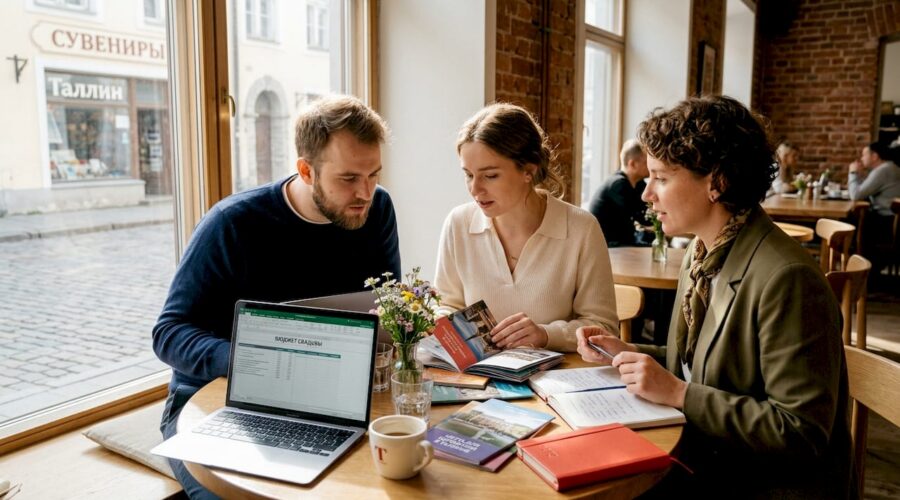
Step-by-step wedding organization in Estonia: a complete guide
Planning a wedding in Estonia can seem like a daunting task, especially if you don't know where to start. Many couples face questions about budget, choosing contractors and legal formalities. This step-by-step guide will help you organize the perfect event without stress and unnecessary costs. We will cover all the steps from marriage registration to decor selection, taking into account the specifics of the local service market. You'll learn how to avoid common mistakes and save time and money using proven tips and local resources.
Table of Contents
- Key findings
- Preparing for the wedding: registration and budget
- Choosing a date, wedding venue and contractors
- Scheduling and organization of the wedding day: mistakes and flyhacks
- Alternative approaches: self-organization and savings
- Best services and contractors for weddings in Estonia
- Frequently asked questions about weddings in Estonia
Key Findings
| item | Details |
|---|---|
| Average wedding budget | The average cost of a wedding in Estonia is around 15000 euros and depends on the scale of the event and the services chosen. |
| Registering a marriage is the first step | Marriage registration is the first official step to the ceremony and requires foreigners' documents if necessary. |
| Reservations 12 months in advance | It is recommended to start booking your date and place 12 months or more in advance of your desired date, especially for the summer season. |
| Using local services | Using local platforms to find professionals makes it easier to find contractors, gives you access to reviews and transparent pricing. |
| Conclusion of written contracts | It is important to enter into written contracts with all contractors to avoid disputes and hidden costs. |
Preparing for the wedding: registration and budget
The first and most important step in organizing a wedding in Estonia: the official registration of the marriage. The registration process includes the submission of an application at a registry office, notary or religious minister, and there are additional documentation requirements for foreigners. You will need passports, birth certificates and, if applicable, divorce papers from previous marriages. The application must be submitted at least one month before the desired date of the ceremony.
Once the legal issues have been resolved, move on to financial planning. The average cost of a wedding is around 15,000 euros, But this figure varies greatly depending on the scale of the event and the services selected. A detailed budget breakdown helps to control costs and avoid unpleasant surprises.
Here's a rough breakdown of the budget for an 80-guest wedding:
| Expenditure category | Percentage of budget | Estimated amount (EUR) |
|---|---|---|
| Venue and catering | 45-50% | 6 750-7 500 |
| Photography and videography | 10-12% | 1 500-1 800 |
| Music and entertainment | 8-10% | 1 200-1 500 |
| Decor and floristry | 8-10% | 1 200-1 500 |
| Honeymoon outfits | 8-10% | 1 200-1 500 |
| Invitations and printing | 2-3% | 300-450 |
| Other expenses | 10-15% | 1 500-2 250 |
The biggest cost item: the venue and catering for guests. In Estonia, the average cost of a banquet is 60-100 euros per person, including drinks and service. The photographer and videographer are the second most important, because these are the memories that will stay with you forever.

Pro Tip: Always set aside a buffer for unexpected expenses of 15-20% of the total budget. This could be additional décor, a menu change or an emergency dress repair. For more on financial planning, read our wedding budget guide.
Choosing a date, wedding venue and contractors
Once the budget is determined, it's time to choose a date and venue. It is recommended to start booking 12+ months before the desired date, especially if you are planning a wedding during the popular summer season. Seasonality plays a huge role in Estonia: summer is ideal for outdoor venues and garden ceremonies, while winter is suitable for cozy indoor chamber events.
Consider several factors when choosing a location:
- Number of guests and capacity of the venue
- Geographical location and convenience for guests
- Services included: furniture, utensils, technical equipment
- Possibility to use own contractors
- Availability of parking and conditions for photo shoots
Compare the different types of venues:
| Type of site | Advantages | Disadvantages | Average cost |
|---|---|---|---|
| Banquet Hall | All-inclusive, professional service | Less personalized | 3,000-5,000 EUR |
| Manor house/chateau | Atmosphere, beautiful photos | Requires more organization | 2,000-4,000 EUR |
| Restaurant | Quality kitchen, convenience | Limited décor | 2,500-4,500 EUR |
| Open area | Freedom of design, nature | Weather dependency | 1,500-3,000 EUR |
After booking your venue, move on to finding contractors. Key professionals for any wedding:
- Photographer and videographer: book first, as good specialists are booked up a year in advance
- Host or toastmaster: creates the atmosphere and manages the program of the evening
- Make-up artist and hairdresser: the cost of services in Tallinn is 160-250 euros
- Florist: for bridal bouquet, boutonnieres and hall décor
- Musicians or DJ: live music or quality equipment
Using services to find specialists makes the task much easier. Platforms offer portfolios, testimonials from previous clients and transparent prices. You can compare several offers and choose the best value for money.
Pro Tip: Book key professionals and venues at least 8-12 months before the wedding. This not only ensures their availability, but often allows you to get a discount for booking early. Research the various wedding styles before meeting with the decorator to clearly state your wishes. Useful tips on wedding favors will help you avoid common mistakes.
Scheduling and organization of the wedding day: mistakes and flyhacks
Making a realistic wedding day schedule: one of the most underrated aspects of planning. Many couples try to cram too many events into one day, resulting in stress and fatigue. A professional schedule takes into account time for moving, packing, photo shoots, and resting.
Here's an example of the structure of a wedding day:
- 10:00-12:00: Gathering of the bride and groom (separately)
- 12:00-13:00: Registration Ceremony
- 13:00-14:30: Photo session of newlyweds and guests
- 14:30-15:00: Buffer and transfer to the banquet venue
- 15:00-16:00: Meeting of guests, aperitifs
- 16:00-19:00: Banquet and entertainment program
- 19:00-20:00: Cake and dancing.
- 20:00-00:00: Continuation of the celebration
A key element of a successful schedule: time buffers between events. Build in an extra 15-30 minutes between milestones. This will save you from panicking if things don't go according to plan: traffic jams, makeup artist delays, or a photo shoot that drags on.

The most common mistakes newlyweds make include lack of buffer intervals, program overload, and lack of written contracts with contractors. These mistakes can be easily avoided with proper planning.
What to avoid:
- Planning too early in the ceremony when guests are not yet ready
- Absence of a coordinator on the wedding day
- Ignoring meal times for the honeymooners
- Underestimation of travel time between locations
- Refusal to rehearse the ceremony
Experienced wedding planners advise, “The biggest mistake couples make is that they don't leave time to just enjoy the day. You should be able to eat, talk to your loved ones and feel the moment, not run from one program item to another.”
Written contracts with each contractor: your insurance against misunderstandings and problems. The contract should specify the exact services, timelines, cost, payment terms and responsibilities of the parties. Don't hesitate to ask for changes to the standard contract if you are not satisfied with any clauses.
Pro Tip: Assign a wedding day coordinator from among your friends or hire a professional. This person will keep an eye on the schedule, solve problems that arise, and communicate with contractors while you enjoy the festivities. Study a detailed party planning workflow, so you don't miss anything.
Alternative approaches: self-organization and savings
Not all couples have a budget of 15,000 euros or want to spend such an amount on one day. Self-organizing a wedding (DIY approach) is becoming increasingly popular among newlyweds who are willing to invest time instead of money. Self-preparation can save up to $14,000 dollars, But it requires considerably more effort and carries certain risks.
The benefits of a DIY approach:
- Significant budget savings on services of organizers and intermediaries
- Full control over every detail of the event
- Opportunity to realize unique creative ideas
- Personal involvement makes a wedding more meaningful
Disadvantages and risks:
- Huge amount of time spent on planning and coordination
- Stress and emotional strain before the big day
- Risk of errors due to lack of professional experience
- Difficulties with problem solving on the wedding day
- Not being able to just enjoy the holiday
Comparison of costs in different approaches to organization:
| Object of expenditure | DIY approach | Classical organization | Economy |
|---|---|---|---|
| Organizer | 0 EUR | 1 500-2 500 EUR | 100% |
| Décor | 500-800 EUR | 1,200-1,800 EUR | 40-50% |
| Invitations | 100-150 EUR | 300-500 EUR | 60-70% |
| Small details | 200-300 EUR | 500-800 EUR | 50-60% |
| Total savings | 3,000-5,000 EUR |
If you decide to organize the wedding yourself, start with a detailed plan at least a year before the event. Break down tasks into monthly milestones and keep track of what has been accomplished. Use spreadsheets and checklists to monitor progress. Don't try to do everything yourself: involve friends and family in specific tasks.
The main items to save money with a DIY approach:
- Decor: create your own compositions from affordable materials
- Invitations: use online services for design and printing
- Music: make a playlist instead of hiring a DJ
- Photo: ask a friend with a good camera (but be prepared for amateur quality)
- Cake: order from a private pastry chef instead of a well-known pastry shop
Pro Tip: Even with a DIY approach, don't skimp on the photographer and host. These two professionals are critical to the atmosphere and memory of the day. Bad photos can't be retaken, and an inept presenter will ruin the mood of the guests. Check all contracts carefully and get written confirmations from each contractor. More ideas on event savings you'll find in our special feature.
Best services and contractors for weddings in Estonia
Finding reliable contractors: one of the most time-consuming parts of wedding preparation. Instead of spending hours searching for contacts on the internet and social media, use specialized platforms.

Minupidu.ee. offers a convenient event services catalog, The platform is structured by regions and categories, allowing you to quickly find the right professional in your city. The platform is structured by regions and categories, which allows you to quickly find the right professional in your city. Here you can find photographers, presenters, restaurants, decorators, musicians and many other professionals.
The main benefits of using the catalog:
- Saving time on searching and comparing offers
- Access to portfolios and testimonials from real clients
- Transparent prices without hidden commissions
- Possibility to contact the executor directly
- Convenient filtering by location and type of services
For example, the wedding service selection section provides detailed recommendations for each category of contractor. You can explore the offerings photographers in Estonia, Compare styles and prices, and then contact the professional you like directly. The platform unites customers and performers, making the process of organizing a wedding as simple and transparent as possible.
Frequently asked questions about weddings in Estonia
What documents do I need to register my marriage in Estonia?
To register a marriage in Estonia, both partners' passports, birth certificates and, if applicable, documents on the dissolution of previous marriages or death of a spouse are required. Foreigners additionally need a translated and notarized certificate of no impediments to marriage from their home country. The application must be submitted at least one month before the desired date of the ceremony to the registry office, notary or religious official.
When is the best time to start planning a wedding in Estonia?
The optimal time to start planning is 12-18 months before your desired wedding date. This is especially important if you are planning an event during the popular summer season, when the best venues and specialists are booked very quickly. The minimum timeframe for organizing a quality wedding is 6 months, but in this case the choice of contractors will be limited.
How do you avoid overspending on your wedding budget?
Make a detailed budget at the very beginning of planning and stick to it strictly. Set aside a 15-20% buffer for unexpected expenses and record all spending in a spreadsheet. Get written bids from all contractors and compare prices. Prioritize what you're willing to save money on and what is fundamentally important to you. Avoid impulsive decisions and additional services that were not part of the original plan.
Is it possible to organize a wedding in Estonia on your own?
Yes, self-organizing a wedding is quite realistic and can save a significant amount of money. However, it requires a lot of time, effort and willingness to take on all the organizational issues. Be prepared for stress and possible mistakes due to lack of professional experience. Even with a DIY approach, it is recommended to hire a wedding day coordinator so that you can enjoy the festivities.
Where to look for reliable contractors for a wedding in Estonia?
Use specialized platforms like Minupidu.ee. и getapro.ee, Ask for recommendations from friends who have recently gotten married. Ask for recommendations from friends who have recently gotten married. Explore social media and professional groups of wedding professionals. Always meet potential contractors in person or via video link before signing a contract to make sure expectations are met.
What is the best season to choose for a wedding in Estonia?
The summer months (June-August) are the most popular due to the warm weather and the opportunity to hold outdoor ceremonies. However, prices are at their highest during this period and venues are booked a year in advance. Spring (May) and early fall (September) offer good weather at more affordable prices. Winter weddings create a cozy atmosphere and are less expensive, but limit the choice of locations to indoor venues.
