



Hourly or Full-Day Photographer: What Are You Paying For?
Many people think a photographer’s price is simply payment for time with a camera. In reality, you’re purchasing a complete service package: pre-event consultations, scenario planning, technical preparation, the actual shoot, and hours of post-processing. About 60% of the cost comes from work before and after the shoot. Understanding the price structure helps you choose the optimal format and reduces event planning stress.
Key Takeaways
| Takeaway | Details |
|---|---|
| Hourly shoots cost more per hour | Fixed preparation and equipment costs make each hour more expensive, but suitable for short events |
| Full-day shoots provide complete coverage | 8-10 hours of work with thorough post-processing and album creation |
| Most of the price is invisible work | Preparation, planning, retouching and color correction take more time than the actual shoot |
| Choice depends on event scale | Corporate events and small parties — hourly shoots; weddings and large celebrations — full day |
| Understanding services reduces stress | Clear expectations and agreed scenarios improve photo report quality |
Why Understanding Photographer Pricing Structure Matters
A photographer’s service price consists of three main components. First — preparation: client consultations, location scouting, scenario planning, selecting angles and timing. Second — actual shooting time when the photographer works with the camera at your üritus. Third — post-processing: selecting successful shots, color correction, retouching, and album compilation.
Understanding these stages is critically important. Many mistakenly believe they’re only paying for hours with a camera. In reality, preparation and processing take significantly more time than the actual shoot. A professional photographer conducts preliminary meetings, discusses wishes, studies the venue, and creates a plan.
Post-processing includes light and color adjustments on each image, removing defects, and creating a cohesive visual style. This stage can take 20-40 hours of work after the event. Quality retouching requires professional skills and expensive software.
Choosing between hourly and daily shooting depends on your goals. A small corporate event lasting two hours doesn’t require a full day. A wedding with morning preparations, ceremony, and reception needs complete coverage. Understanding the service cost structure helps make an informed choice and avoid disappointments.
Main price components:
- Preparation: consultations, planning, location scouting
- Shooting time: working at the event with equipment
- Post-processing: selection, retouching, color correction, album creation
- Equipment: professional cameras, lenses, lighting, backup gear
- Experience and qualifications: years of training and photographer practice
What You Pay for When Booking a Photographer by the Hour
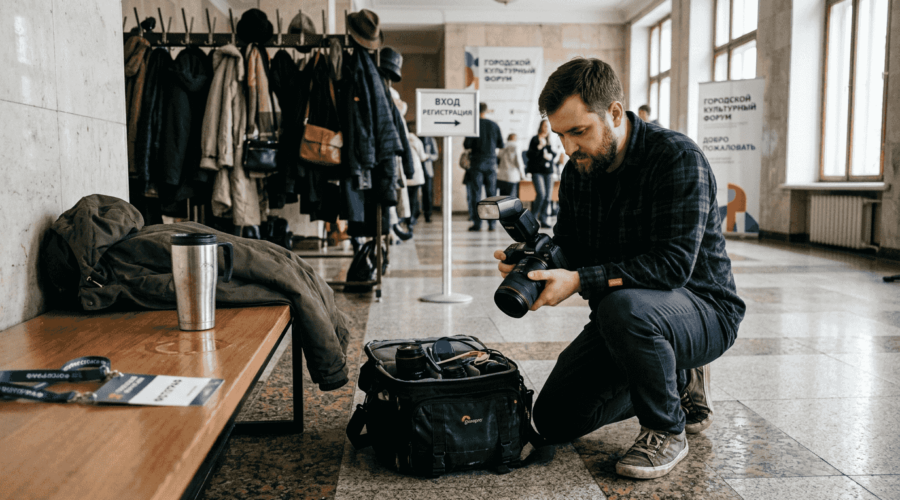
Hourly rates include the same fixed costs as full-day shoots. The photographer arrives with complete equipment: main and backup cameras, multiple lenses, flashes, reflectors. Before shooting, they study the location and discuss the scenario and key moments to capture with you.
The cost includes basic post-processing of selected shots. Usually 30-50 processed photos per hour of shooting. The photographer performs color correction, light retouching, and removes obvious defects. Deep artistic processing and album creation are often charged separately.
Hourly shooting is often more expensive when calculating cost per hour. The reason — the same preparation and equipment costs are distributed over fewer hours. The photographer spends time on travel, equipment setup, and detail coordination regardless of shoot duration.
This format is convenient for short events: product presentations, small corporate gatherings, children’s parties. You get professional shots without overpaying for unnecessary time. However, there are limitations: fewer opportunities for creative experiments, limited event coverage, and compressed timeframes.
Key aspects of hourly shooting:
- Fixed equipment and preparation costs included in the rate
- Number of processed photos limited to 30-50 shots per hour
- Hourly cost higher due to fixed cost distribution
- Suitable for events lasting 1-3 hours
- Less time for preparation and artistic experiments
Professional tip: Before booking, clarify how many processed photos are included in the package and what types of post-processing are covered. This prevents surprises when receiving results. Discuss key event moments that must be captured. Study photographer selection by reviews to understand their working style.
What You Pay for When Booking a Full-Day Photographer
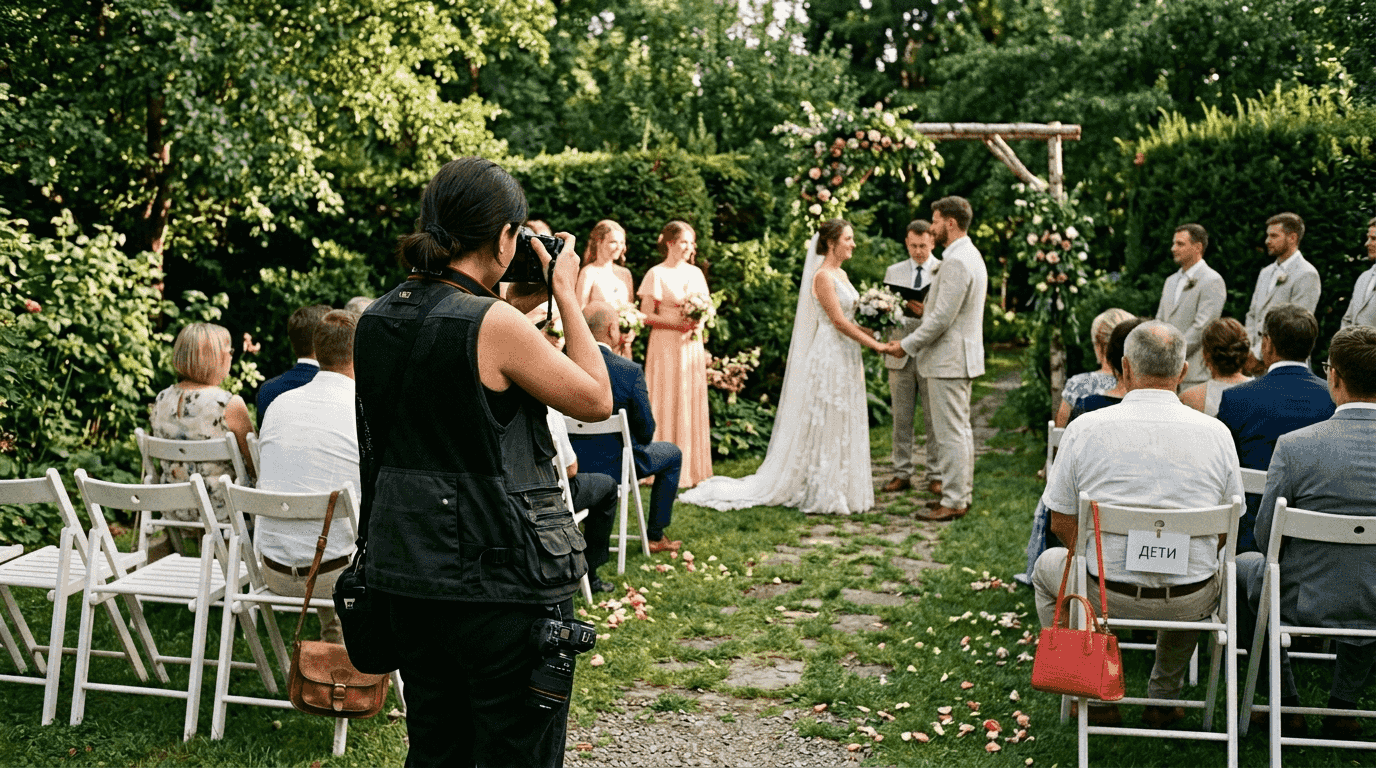
Full-day booking includes 8-10 hours of shooting with complete event coverage. The photographer captures preparation, main action, climactic moments, and informal guest interactions. You receive a comprehensive photo report reflecting the entire day’s atmosphere.
The package includes preliminary consultations, venue visits for light and angle assessment, and detailed shooting plan creation. The photographer discusses desired style, important moments, and special requests with you. This aligns expectations and prevents missed shots.
Post-processing for full-day shoots is significantly deeper. The photographer selects 300-500 best shots, conducts thorough retouching of each image, and creates a unified visual style. Often the cost includes photo album or photobook design. This stage takes 30-50 hours of work.
Optimal price per hour is achieved precisely with full-day shooting. Fixed costs are distributed over more hours, reducing each hour’s cost. You get more processed photos and a comprehensive approach to event documentation.
Full-day booking reduces the risk of missing important moments. The photographer is present at all stages: from morning preparations to reception completion. They capture spontaneous emotions, natural guest interactions, and unexpected bright scenes. This creates a complete picture of the day.
Full-day shooting advantages:
- Complete coverage of all event stages from start to finish
- Thorough post-processing of 300-500 selected shots
- Includes consultations, planning, and album creation
- Optimal price per shooting hour
- Minimal risk of missing important moments
Professional tip: For weddings and large corporate events, always choose full-day shooting. This guarantees complete photo coverage and reduces stress from rushing. Coordinate with the photographer a list of mandatory shots: group portraits, key ceremony moments, important details. Find qualified wedding photographers in Tallinn for your special day.
Dispelling Myths and Expectations About Photographer Pricing
The first common myth: you only pay for time with the camera. In reality, shooting time is the smaller part of the work. Preparation includes meetings, planning, and location scouting. Post-processing takes 3-4 times more time than the actual shoot.
Second misconception: hourly shooting is always cheaper. When calculated per hour, it’s often more expensive due to fixed costs. Savings only occur if you truly need 1-2 hours of work. For events lasting 4+ hours, daily packages are more advantageous.
Third myth: all photographers charge the same price for identical work. Cost depends on experience, equipment quality, processing style, and reputation. A beginner with basic camera charges less, but results may not meet expectations. A professional with decade-long experience ensures consistent quality.
Price is formed from many factors. Professional equipment costs thousands of euros, requires regular maintenance and updates. Photographers invest years in learning, skill improvement, and studying new techniques. Processing software, data storage, equipment insurance — all affect final cost.
Complete event coverage matters, not just camera presence duration. An experienced photographer anticipates important moments, takes correct positions, and captures emotions. A novice may be physically present all day but miss key shots due to inexperience.
Key pricing points:
- Preparation and post-processing constitute most time and cost
- Hourly shooting isn’t always more economical per hour calculation
- Price reflects experience, equipment quality, and processing level
- Complete coverage is more important than simple camera presence
- Discussing expectations with photographer reduces disappointment risks
Practical Guide: When to Choose Hourly vs Full-Day Shooting
Hourly shooting is optimal for events with clear, short scenarios. A 1.5-hour corporate presentation, 2-hour children’s party, or small gathering don’t require lengthy photographer presence. You save budget while getting professional shots of key moments.
Full-day shooting is necessary for multi-stage events. Weddings include morning preparations, ceremony, photo walk, reception, and entertainment. Large corporate events with business sessions, networking, and concert programs require complete coverage. Missing any stage creates gaps in the photo story.
90% of full-day clients remain satisfied with photo report completeness. They receive a finished event story from beginning to end. Hourly shooting leaves a sense of fragmentation, especially if the event lasted longer than paid time.
| Criteria | Hourly Shooting | Full-Day Shooting |
|---|---|---|
| Event Duration | 1-3 hours | 6-12 hours |
| Processed Photos | 30-50 per hour | 300-500 per day |
| Hourly Cost | Higher | Lower |
| Preparation | Basic | Detailed with location visit |
| Post-processing | Basic retouching | Deep processing, albums |
| Event Coverage | Key moments | Complete photo story |
| Suitable For | Corporate events, presentations, small parties | Weddings, anniversaries, large celebrations |
Real case from Tallinn: A company booked a photographer for 2 hours for a corporate party. The photographer captured the official part and reception beginning. The brightest moments — competitions and dancing — happened after paid time ended. Result: disappointment and incomplete photo report.
Another example: A couple booked full-day wedding photography. The photographer was present from morning preparations to reception end. The result was 450 processed shots reflecting the entire day’s atmosphere. Clients noted they experienced no stress and completely trusted the professional.
Selection recommendations:
- Events under 3 hours — hourly shooting is more economical
- Weddings, anniversaries, large corporate events — full day only
- If uncertain about duration, add time buffer
- Study photographer’s work examples in needed format
- Discuss possibility of extending time during the event
Psychology of Choice and Reducing Photographer Selection Stress
A preliminary meeting or video call with the photographer is critically important. You discuss event vision, shooting style, and key moments to capture. This aligns expectations and reduces anxiety from uncertainty. The photographer understands your preferences while you evaluate their approach.
Most cost comes from work you don’t see. Hours of planning, equipment preparation, and detailed post-processing happen behind the scenes. Understanding this invisible work helps appreciate the true value of professional photography services.
Clear communication prevents most disappointments. Discuss specific shots you need, preferred style, and any restrictions. Share your event timeline so the photographer can plan positioning and equipment needs. This collaborative approach ensures better results.
Portfolio review reveals more than price comparison. Look for consistency in quality, style alignment with your vision, and technical competence. A photographer’s previous work in similar events shows their capability to handle your specific needs.
Stress reduction strategies:
- Schedule consultation calls with 2-3 photographers before deciding
- Request detailed service breakdowns and sample timelines
- Check reviews focusing on communication and reliability
- Clarify backup plans for equipment failure or illness
- Establish clear delivery timelines for processed photos
Making the Best Choice for Your Event
Your event type, budget, and coverage needs determine the optimal photographer package. Small, focused gatherings benefit from hourly rates, while significant celebrations require full-day documentation. Consider not just immediate costs but the long-term value of comprehensive photo memories.
Quality trumps quantity in professional photography. A skilled photographer delivering 200 excellent shots provides more value than an amateur producing 500 mediocre images. Invest in proven talent rather than simply seeking the lowest price.
Timeline flexibility improves results. Events often run longer than planned, and the best moments sometimes happen unexpectedly. Build buffer time into your booking or discuss overtime rates upfront to avoid rushed decisions during your event.
The right photographer becomes an invisible presence, capturing authentic moments without disrupting your celebration. This skill comes from experience and proper preparation — factors reflected in professional pricing structures.
How minupidu.ee Helps Choose the Best Photographer for Your Event
Minupidu.ee connects you with verified photographers across Estonia, making selection easier and more reliable. Each photographer profile includes portfolio samples, service packages, pricing transparency, and genuine client reviews. You can compare options systematically rather than searching randomly.
The platform’s kuulutus system allows photographers to showcase their specialties — wedding photography, corporate events, family portraits, or commercial work. This specialization helps you find professionals experienced in your specific event type.
Direct communication tools let you discuss requirements, view additional portfolio pieces, and negotiate packages before making commitments. The broneeri system streamlines booking while protecting both parties through clear service agreements.
Browse qualified service providers to find photographers matching your style, budget, and location needs. The platform’s review system helps identify reliable professionals with proven track records.
What Influences Photographer Costs Beyond Shooting Time?
Equipment investment significantly impacts pricing. Professional cameras, multiple lenses, lighting equipment, and backup gear represent substantial ongoing costs. Insurance, maintenance, and regular upgrades ensure reliable service but increase operational expenses that factor into rates.
When Should You Choose Hourly Shooting Over Full-Day Coverage?
Hourly shooting works best for events with defined start and end times, limited scope, and budget constraints. Corporate presentations, product launches, small birthday parties, and brief ceremonies benefit from focused coverage without paying for unnecessary extended presence.
How Can You Reduce Stress When Selecting an Event Photographer?
Start your search early, allowing time for proper evaluation and booking. Create a shortlist of 3-5 candidates, schedule consultations, and ask specific questions about their process. Clear communication about expectations, timeline, and deliverables prevents misunderstandings and ensures satisfaction.
What Should Be Included in a Full-Day Photography Package?
Comprehensive packages typically include pre-event consultation, complete event coverage, professional editing of 300-500 images, online gallery delivery, and often print release rights. Some photographers include engagement sessions, albums, or additional services — clarify what’s included versus optional add-ons.
How Do You Evaluate Photographer Quality Beyond Portfolio Review?
Check client testimonials focusing on reliability, communication, and final delivery. Ask about backup equipment, assistant availability, and contingency plans. Request references from recent clients with similar events. Professional photographers readily provide this information and maintain transparent business practices.